



Short%20Video_mp4.png)


How to Build a Strong Community Around Your Multi-App Ecosystem
- valentinoh511
- Jun 8
- 4 min read
Building a community is one of the most important steps when launching a new product or service. It helps you connect with early adopters, gather feedback, and create long-term value. When you have a multi-app ecosystem, the challenge grows because you need to engage users across different apps while keeping them connected to your overall vision.
In this post, I’ll share practical tips on how to build a vibrant community around your multi-app ecosystem. I’ll also highlight some tools that can help you manage and grow your community effectively.
Why a Community Matters for Your Multi-App Ecosystem
A community is more than just a group of users. It’s a network of people who share an interest in your product and want to contribute to its success. For a multi-app ecosystem, a strong community can:
Drive user growth by spreading the word
Provide valuable feedback to improve your apps
Support each other and reduce support costs
Create a sense of belonging that keeps users engaged
When you build a community early, you create a foundation for long-term success. People feel invested in your project and want to see it grow.
How to Start Building Your Community
1. Define Your Community’s Purpose
Start by clarifying why your community exists. What do you want members to achieve? For a multi-app ecosystem, the purpose might be to:
Share tips and tricks for using the apps
Discuss new features and ideas
Connect with other users and developers
Participate in early access and funding opportunities
Having a clear purpose helps attract the right people and keeps conversations focused.
2. Choose the Right Platforms
Your community needs a home. Choose platforms where your target users already spend time. Some popular options include:
Discord or Slack for real-time chat and collaboration
Reddit or forums for longer discussions
Social media groups for announcements and casual interaction
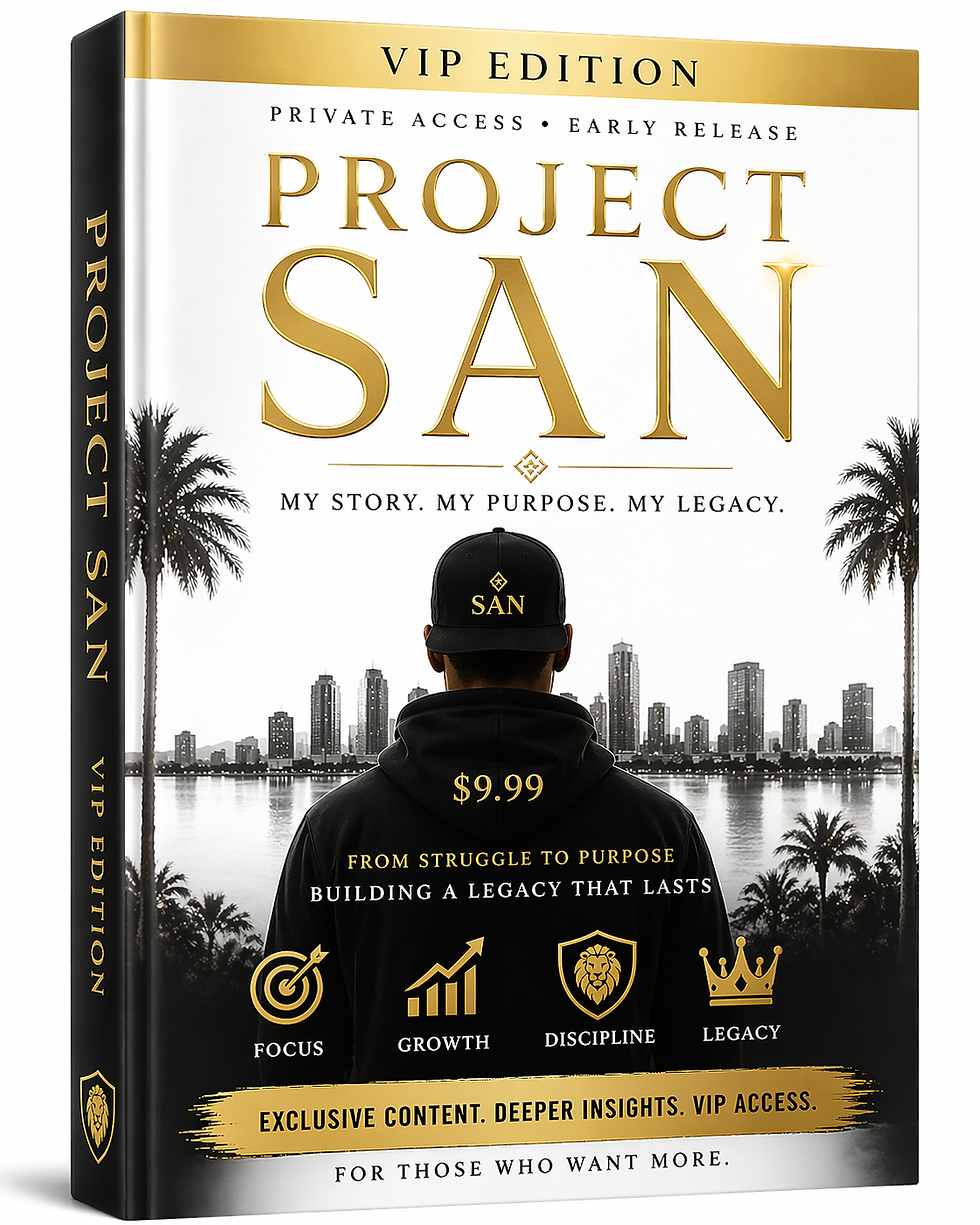
For example, using a platform like Project San’s community hub can help you centralize discussions and offer early access to new apps.
3. Offer Early Access and Exclusive Content
People love to be the first to try new things. Offering early access to your apps or features encourages users to join and stay active. You can also share exclusive content like tutorials, behind-the-scenes updates, or special events.
This approach builds excitement and rewards your most engaged members.

Community members collaborating on a multi-app ecosystem
Tools to Help You Manage and Grow Your Community
Managing a community can be challenging, especially when it grows quickly. Here are some tools that can help you stay organized and keep your members engaged.
Community Management Platform: Project San
Project San offers a multi-app ecosystem with built-in community features. It allows you to:
Manage user access across multiple apps
Host discussions and polls
Offer community-driven funding options
Using a platform like Project San helps you keep everything in one place and makes it easier to engage your users.
Communication Tool: Discord
Discord is a popular choice for real-time chat. It supports voice, video, and text channels, making it easy to organize conversations by topic. You can create channels for each app in your ecosystem, so users can focus on what interests them most.
Feedback and Survey Tools
Collecting feedback is key to improving your apps. Tools like Google Forms or Typeform let you create simple surveys to gather user opinions. You can also use built-in polling features in platforms like Discord or Project San.
How to Keep Your Community Active and Engaged
Building a community is just the start. You need to keep members interested and involved over time. Here are some ways to do that:
1. Regular Updates and Communication
Keep your community informed about new features, bug fixes, and upcoming events. Regular updates show that you’re listening and working to improve the ecosystem.
2. Encourage User Contributions
Invite members to share their ideas, create content, or help others. Recognize their efforts publicly to motivate more participation.
3. Host Events and Challenges
Organize online events like Q&A sessions, hackathons, or contests. These activities create excitement and give members a chance to connect.
4. Provide Support and Resources
Make it easy for users to get help. Offer FAQs, tutorials, and direct support channels. A helpful community keeps users happy and reduces frustration.

Community chat interface on a laptop screen
Measuring Success and Adapting Your Strategy
To know if your community is thriving, track key metrics like:
Number of active members
Engagement rates (posts, comments, reactions)
Feedback quality and volume
User retention and growth
Use these insights to adjust your approach. If certain topics spark more interest, focus on them. If engagement drops, try new activities or incentives.
Final Thoughts on Building Your Multi-App Community
Building a strong community around your multi-app ecosystem takes time and effort. Focus on creating a welcoming space where users feel valued and connected. Use tools like Project San to simplify management and offer early access that excites your members.
Remember, your community is a key part of your ecosystem’s success. Keep listening, adapting, and growing together.

Person typing on laptop with community platform open

Comments